If you’re reading this, chances are you’re a contractor, HVAC tech, facility manager, or maybe even a DIYer who’s picked up rubber insulation for a job—only to end up confused a week later when that roll you left in the garage is cracked, sticky, or totally useless. As a rubber insulation supplier, I deal with this every single day. Folks come in panicking because they stored their inventory wrong, and now it’s ruined before it even hits a wall or pipe. Rubber Insulation
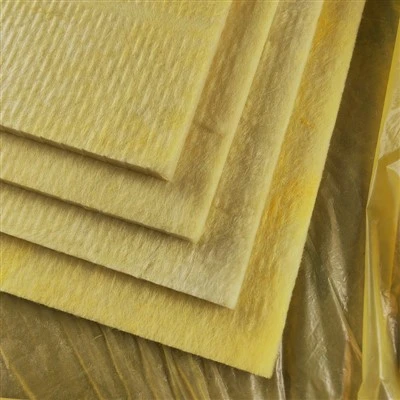
Let’s cut the fluff here. Rubber insulation (that’s the closed-cell, foam stuff you wrap around hot water pipes, AC lines, or ductwork) isn’t just a roll of foam—it’s a product made with specific rubber compounds, adhesives, and inhibitors designed to last. Mess up the storage, and you’re looking at shrinkage, brittleness, surface cracking, or even mold growth before you’ve used a single piece. I’ve seen this happen to so many of my clients, and half the time it’s totally avoidable. Let’s break this down into the stuff that actually works, no confusing industry jargon, just what I’ve learned from years of shipping and supplying rubber insulation.
First, let’s start with the big no-nos. If you’re skipping these, you’re already on track to waste money. I see people do this all the time: leave rolls sitting flat on a concrete floor, drape them over a wall stud in a damp basement, or toss them in a sunny outdoor shed. All of that is bad. Why? Rubber insulation is sensitive to three main things: temperature extremes, moisture, and direct exposure to UV light (sunlight). Let’s go one by one.
Temperature is huge. Rubber compounds aren’t fans of super cold or super hot. If it’s below 32°F (0°C), the foam gets rigid and brittle—rolls stored in an unheated winter garage will crack when you try to unroll them, that’s not a defect, that’s just bad storage. Too hot, like above 100°F (38°C), and the rubber softens. Adhesives inside break down, the whole roll loses its shape, and it might even stick to itself if you try to unroll it later. For my part, I always tell any client storing bulk rolls to keep temps between 40°F and 80°F (4°C to 27°C). That’s the sweet spot. No extra climate control needed for most spots, just don’t park your inventory next to a water heater, furnace, or in a shed that swings wildly between seasons.
Next, moisture. Rubber insulation is closed-cell, so it repels water on the surface, but that doesn’t mean it’s immune to damp. If it’s stored in a space with high humidity—like a basement that gets musty, or a trailer that’s been sitting in a rainy spot for a week—the foam can absorb moisture through tiny gaps in the wrapper, or even grow mold on the edges. Mold not only ruins the insulation itself, it also means the material might off-grow something that stinks, which is a big deal for indoor jobs. I’ve had clients throw out entire batches because they stored them on concrete floors without a barrier, and the concrete’s moisture seeped up through the cardboard boxes. So rule #1: never store rubber insulation directly on concrete.
UV light. This one’s easy to sleep on. That clear plastic wrap on rolls? It’s not meant to block sunlight. Leave a roll on your job site leaning against the side of the house for two days, and when you come back, the surface is yellow, cracked, and hard. UV breaks down the rubber’s polymers, and that’s permanent. It doesn’t matter if it’s a tiny roll for a small job or a 200-foot bulk roll—any exposure to direct sunlight for more than a few days will ruin it. If you’re leaving it on site, cover it with a tarp, and if you’re taking it home, don’t let it sit in your driveway overnight.
Now, let’s get into how to actually store it, whether you’re a small contractor with a truck full of rolls, or a big facility manager with a warehouse. We split this into two scenarios: short-term (less than 30 days, like a job that’s on hold for a couple weeks) and long-term (more than 30 days, bulk inventory you’re keeping for multiple jobs). That’s the part most guides skip, but it’s super important.
Short-term storage is pretty straightforward. First, if you’ve got rolls in their original packaging (which you should—never remove that until you’re ready to use it), don’t cut the plastic wrap until you’re on the job. The wrapper is there to protect it. For on-site storage: if you’re storing in a truck, don’t stack heavy stuff on top of rolls—like tools, metal pipe, or even another roll stack. Rubber foam compresses easily, and if it’s squished flat for a week, it won’t bounce back to its original shape when you unroll it, leaving gaps that defeat the whole purpose of insulation. Stand rolls on their end, like you would a paper towel roll. That keeps the foam’s structure intact. If you’re storing in a garage or spare room, same thing: stand them upright, not flat. No heavy stuff on top, keep them away from any vents, furnaces, or pipes that put out heat, and away from any leaky windows or damp spots. Oh, and if you’re storing them in the cold for a few days before a winter job? Let them sit at room temp for 24 hours before you install. That small step avoids cracking when you unroll.
Long-term storage is where people mess up bad. If you’re keeping inventory for months, you need to be a bit more intentional. First, that original box and plastic wrap? Don’t throw that away. Even if you’re taking rolls out of the box, leave each roll in its plastic wrapper if you can. If you’re taking multiple rolls out, label the wrapper clearly so you know what size and thickness it is (you don’t want to dig through a pile of unlabeled rolls when you’re rushing to a job). Then, the floor barrier: don’t put rolls on concrete. Grab some wooden pallets (the cheap, sturdy kind) or even plastic shelving units, and set the rolls on those. That creates a gap between the foam and the concrete, so no moisture seeps up. Stack rolls—this is fine, just keep stacks under 4 rolls high. If you stack more than that, the bottom rolls will get compressed and lose their shape, which is a pain when you’re cutting to fit pipes. Also, store rolls away from any chemicals. I’ve had a client store rubber insulation next to some industrial cleaning supplies in his warehouse, and the chemicals ate through the plastic wrapper, leaving the foam gooey and unusable. Keep it away from solvents, paints, adhesives, or any harsh fumes. That goes for storage and job sites, by the way—never leave insulation near spray paint cans or acetone.
Wait, what if you’re storing cut pieces of insulation, not whole rolls? A lot of contractors cut custom pieces for elbows or valves, and they leave those loose in a tool bag or on a shelf. That’s another easy mistake. Cut pieces should also be kept in their plastic if possible, and sealed in a plastic tub if you’re storing them for more than a week. Loose pieces can get dusty, dirty, or bent out of shape, and when you’re trying to wrap a pipe, a bent piece will leave a gap. If you’ve got small cut pieces, label them too—mark the size, what type of pipe they’re for, and the date you cut them, so you don’t end up with a pile of random foam pieces you can’t use.
Let’s talk about common myths I hear all the time. First myth: “Rubber insulation doesn’t need special storage, it’s just foam.” Nope, that’s wrong. I’ve had a contractor tell me he stored rolls in his backyard shed for a month, and when he pulled them out, half were cracked. He thought the product was bad, but it was just the UV and temp swings. Second myth: “Freezing it is fine, I’ve had rolls in the freezer for a week.” No—any temp below 32°F makes the foam brittle, and once it’s brittle, it doesn’t bounce back. Even if you warm it up, it’ll crack when you bend it around a pipe. Third myth: “I can leave the plastic wrap off once I cut it, it dries out.” Wrong. Once you remove the wrapper, the foam is exposed to moisture and air, and it’ll dry out, shrink, and get brittle way faster than it would in the wrapper.
Now, what if you do notice your insulation is going bad? Cracks, shrinkage, stickiness, mold—what do you do? First, check the date stamp. Most good rubber insulation has a production date printed on the wrapper, and you should use it within 2 years of that date, even if it’s stored correctly. If it’s past 2 years, even if it looks fine, it’s probably not going to perform as well. If you see cracks or stickiness, that’s a sign of polymer breakdown, and you can’t repair it—trash it. Mold? If it’s just surface mold, you can wipe it off with a mild bleach solution, but if it’s inside the foam, it’s too far gone. Don’t install moldy insulation, it’s bad for air quality.
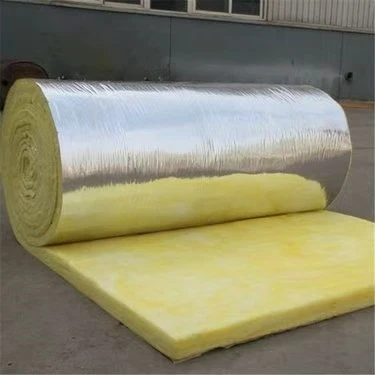
At the end of the day, storing rubber insulation isn’t hard. It’s just a few small steps: avoid extreme temps, keep it dry (no direct concrete contact), block UV light, and don’t squish it. As a supplier, my whole job is to make sure you get insulation that works when you install it, not stuff that goes to waste because it was stored wrong. If you’ve got a bulk order coming in and you’re not sure about your storage space, or you need advice on picking the right insulation for your job, hit me up. We can chat about what works for your job size, space, and timeline, no pressure. I’m here to make sure you don’t have to toss out a roll that cost you money because of a small storage mistake.
Fire Rated Duct Wrap References
- ASTM C1289, Standard Specification for Faced Flexible Thermal Insulation Used in Commercial and Industrial Piping, Duct, and Equipment Applications
- National Insulation Association (NIA) Best Practices for Flexible Insulation Storage and Handling
- The Canadian Rubber Manufacturers Association (CRMA) Guidelines for Rubber Foam Product Storage Conditions
Langfang Yafeng Energy-Saving Technology Co., Ltd.
As one of the most professional rubber insulation manufacturers and suppliers in China, we’re featured by quality products and good price. Please rest assured to buy bulk premium rubber insulation for sale here from our factory. Welcome to view our website for more information.
Address: Langfang Xinyafeng, Liugezhuang Town, Dacheng County, Langfang City, Hebei Province
E-mail: yafengbaowen@gmail.com
WebSite: https://www.xyfinsulation.com/
