Hey everyone, Kids’ Jackets and Coats
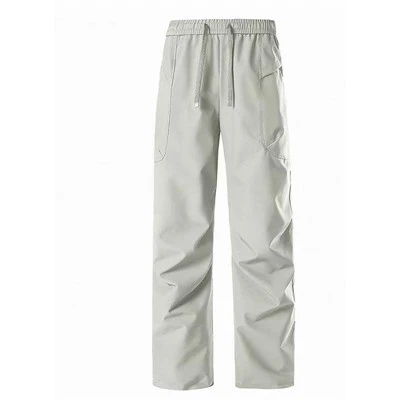
As someone who’s been supplying kids’ jackets and coats for over 10 years, I’ve lost count of how many parents come to me confused about sizing. “My kid’s growing so fast—should I go up a size for next winter?” or “Does this jacket fit right, or are they swimming in it?” It makes total sense to overthink this. You want your little one warm, comfortable, and able to move without fighting with too much fabric, but you also don’t want to waste money on something they’ll outgrow in three months.
Today, I’m breaking down the real, practical ways to tell if a kids’ jacket or coat is too big, too small, or just right—no confusing size charts that don’t account for wiggly toddlers or pre-teens who refuse to stay still. I’ve seen it all: a 7-year-old in a size 12 jacket that drags their sleeves, a 4-year-old in a 3T that’s so tight they can’t button it over their favorite shirt. Let’s get this straight.
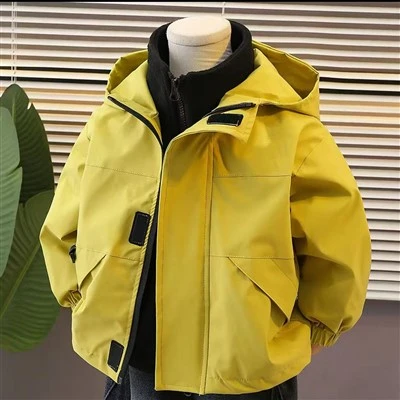
First up, let’s talk about the fit that matters most—especially for kids, who are always running, climbing, and hugging their friends. The shoulder seams are non-negotiable. This is the foundation of the fit. If the seam is sitting halfway down their upper arm, that’s too big. Period. Kids’ bodies grow at different rates—some hit shoulder growth spurts early, others later—but the shoulder seam has to line up exactly where their arm meets their shoulder. If it’s too low, every time they move their arms up, the sleeve will ride up, leaving their wrists exposed (hello, cold hands!). If it’s too high, it’ll dig into their shoulder, and they’ll complain about it feeling tight within 10 minutes. That’s the first check, no exceptions.
Next, the sleeves. This is where a lot of parents cut corners, either making them too long to “get more use” or too short because they think that’s the right size. A good rule of thumb (pun intended) is that when your kid’s arms are relaxed at their sides, the sleeve should end right at their wrist bone—not all the way to their hand, not above it. If you want a little room for layers? Wait until they’re standing, then gently pull the sleeve cuffs down. If you can pull the cuff 1 inch past their wrist, that’s about as much extra as you should allow. Any longer, and they’ll be tripping over the cuffs when they run, or tugging them up every two minutes. If the sleeve ends above their wrist, even if they’re wearing a thin long-sleeve shirt underneath, that’s too small. Their wrist will be cold, and they’ll hate that bare spot.
The torso fit is the next big one, and this is where too many jackets go wrong. Too small, and they can’t zip it all the way without pulling or gaping. Wait—gap is your enemy here. If when you try to zip it, the fabric pulls tight across their chest or tummy, or there are gaps between the zipper and their body, that’s a no-go. Gaping means cold air is getting in, and it’s uncomfortable for them. For the right size, when it’s zipped up, there should be a little room to move. How much? You should be able to slide one flat hand between the jacket and their chest. That’s it—no two hands, no bunching up extra fabric in the front. If you have more than one hand’s width, that’s too big. The extra fabric will get in the way when they’re playing, and wind will blow right into it, making them colder than if they had a properly fitting jacket.
Wait, but what about for toddlers who are in car seats? That’s a special case I see all the time. Parents will size up for the jacket, but then it doesn’t fit in the car seat harness. A jacket that’s too big can cause the harness to be too loose, which is a safety hazard. So even if the jacket fits when your kid is standing, make sure you test it in their car seat. Buckle them in, and check that the harness straps lie flat against their body, not over a bunch of jacket fabric. If you have to adjust the jacket to make the harness fit, that’s a sign the jacket is too big. For car seat use, you want the jacket to fit snug enough that it doesn’t bunch, but still has that one-hand room for layers.
Now, what about the hem? The bottom of the jacket. If it’s so long that it covers their bottom, or even their upper thighs, that’s way too big. A jacket’s hem should hit right around their hip bone, not lower. If it’s longer, when they run, they’ll kick the hem, or it’ll ride up when they bend over to tie their shoes. That’s a recipe for frustration. If the hem is above their hip, that’s too small—their lower back will be exposed, which is where a lot of body heat escapes. You don’t want a bare lower back when it’s 30 degrees out.
What about signs your kid will tell you? Kids are way more honest than we give them credit for. If they’re constantly tugging at the sleeves, pulling the jacket off because it’s too tight to move, or complaining that their back is cold, listen to them. I had a customer a few months ago who bought a size up for her 5-year-old, and he kept saying his arms were cold. When we checked, the sleeves were 2 inches too long—he couldn’t pull them down to cover his wrists, so even though the jacket was “big enough,” it wasn’t functional for him. Kids will let you know if something’s off, you just have to stop and ask, not just assume based on the size tag.
Now, let’s clear up a common myth: “Size charts are perfect, so I just go by that.” Nah. Size charts are a starting point, not a rule. A 5-year-old who’s 40 pounds might be a size 5 in one brand, a size 6 in another, and a size 5 slim in another. I’ve had parents tell me “my kid is a size 7, so I buy size 7” only to find it’s too tight in the shoulders. Every brand cuts their jackets differently—some are roomier in the torso, some are slimmer, some run small in the sleeves. That’s why the hands-on checks are way more reliable than a number on a tag.
Another thing: layers. If you live somewhere super cold, you might be thinking, “I need extra room for a sweater under the jacket.” That’s okay, but don’t overdo it. If you’re planning to wear a thick puffy sweater, you need a little extra room, but not enough that the jacket is baggy. The one-hand rule still applies—if you can fit two hands, even with a thick sweater, that’s too big. I recommend testing the jacket with the exact layers your kid will wear in the coldest weather. If you try it with just a thin long-sleeve and it’s loose, add the sweater and see if it still zips comfortably. If it’s pulling at the shoulders when you layer, that’s too small.
What about when a jacket is too small? The obvious signs are tight shoulders, sleeves that end above the wrist, and a zipper that won’t close. But sometimes it’s not that obvious. Even if it zips, if when your kid raises their arms over their head, the jacket pulls so tight that the zipper gap widens, that’s too small. You don’t want them to have to hold their arms down just to stay warm. That’s a surefire way to end up with a fussy kid who won’t wear their jacket.
I also see parents buying jackets that are “one size bigger” to last two years. That’s a trap. Kids grow fast, but a jacket that’s too big for two years is going to be uncomfortable for 12 months, and maybe even a safety hazard in the car seat. It’s better to buy a jacket that fits well now, and maybe hand it down to a younger sibling next year, than to have your kid miserable for a whole winter. Plus, a properly fitting jacket works better—traps heat, doesn’t restrict movement, so your kid actually stays warmer.
Wait, let’s do a quick recap so you don’t forget:
- Shoulder seams: must line up exactly with where their arm meets their shoulder. No lower, no higher.
- Sleeves: end at the wrist bone when arms are relaxed; 1 inch of extra pull max for layers.
- Torso: one flat hand between jacket and chest when zipped, no gaps.
- Hem: hits at the hip bone, not lower or higher.
- Test with actual layers and, if using a car seat, test there too.
- Listen to your kid—their complaints are clues.
Now, if you’re still unsure, or you’re shopping for a specific kid (your own, a niece/nephew, your little cousin), feel free to reach out to my team. We’ve been making kids’ jackets and coats for years, so we know the ins and outs of fit, and we can help you pick the right size for your kid’s body, not just a size tag. We carry everything from lightweight spring jackets to heavy winter puffer coats, all with kid-friendly fits that let them play, run, and stay warm. Whether you need a single jacket for your toddler or bulk orders for a school, we can work with you.
Don’t stress too much about it—finding the right fit is easier once you know what to look for. A well-fitting jacket is the best investment, because your kid will actually wear it, and it’ll keep them warm all season. If you have questions, or you’re ready to chat about what we have, don’t hesitate to connect with us.
Happy shopping,
The Kids’ Jackets and Coats Team
Women’s Jackets and Coats References
U.S. Consumer Product Safety Commission. (2022). Child and Infant Product Safety Guidelines for Outerwear.
American Academy of Pediatrics. (2021). Tips for Dressing Children in Cold Weather.
National Institutes of Health. (2020). Pediatric Growth and Development: Clothing Fit Recommendations.
Tengzhou Jufulong Garment Co., Ltd.
We are one of the most professional kids’ jackets and coats manufacturers and suppliers in China, also support customized service. With abundant experience, we warmly welcome you to wholesale high quality kids’ jackets and coats made in China here from our factory. Contact us for free sample.
Address: Zongzhuang Village, Jisuo Town, Tengzhou City, Zaozhuang City, Shandong Province (West of Jisuo Middle School)
E-mail: 17606320177@163.com
WebSite: https://www.jufulongwear.com/
