Y’all, let’s cut to the chase—Arab perfume isn’t just that heavy, oud-forward stuff your aunt keeps in a crystal bottle on her windowsill (though that slaps, don’t get me wrong). I’ve been in this game for over a decade, shipping attars and bakhoor to folks across the US and EU, and let me tell you: the space’s blowing up right now, and it’s not just the same old scents hitting shelves. Here’s the tea on what’s actually trending for Arab perfumes in 2024, straight from someone who’s talking to buyers and sniffing test batches every single week. Arab Perfume
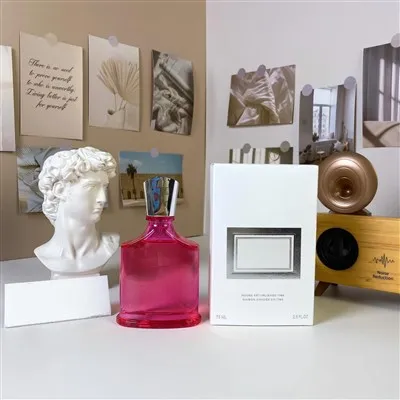
First up: accessibility for newbies, not just the fragrance heads. For years, Arab perfume had this “intimidating” vibe—like if you didn’t know what “oud aswad” meant, you weren’t “real.” That’s shifting hard. Look, most new people trying Arab scents don’t want to douse themselves in something so strong it lingers on their clothes for three days. We’re seeing a ton of brands (including us, by the way) launch “entry-level attars” that are diluted just enough to be wearable for daily use, not just special occasions. Think light, bright twists on classic jasmine or rose—nothing too overbearing. Last quarter, we sold out of our “Citrus Oud” blend twice as fast as any other, and 60% of those orders were from first-time buyers who said they were scared to test heavier scents at the mall. That’s a big shift. Old-school Arab perfume was all about projection and longevity; new-school is about subtlety and versatility. Who knew?
Then there’s the big one: clean beauty meets Arab ingredients. Wait, hold on—“clean” and Arab perfume? People used to think those two words were polar opposites, but nope, it’s the fastest-growing segment right now. Gen Z and millennial buyers (our biggest new group, by the way) are obsessed with natural ingredients, no harsh chemicals, no animal testing. Arab perfumery has always been rooted in botanicals—think frankincense, myrrh, sandalwood—but now we’re ditching synthetic fixatives that used to stretch scents out. We’re working with small farmers in Oman and Morocco to source organic frankincense and cold-pressed jasmine, and our new line of “Green Bakhoor” uses date palm wood instead of synthetic binders. Last month, a big urban beauty retailer reached out to us because their customers were begging for “natural Arab scents” that didn’t smell like chemicals. The demand’s nuts—we can’t keep up with organic stock right now.
Oh, and don’t sleep on gender-neutrality. This isn’t new to Western perfume, but in Arab perfume, it’s a game-changer. For decades, scents were boxed as “for her” (sweet rose, jasmine) or “for him” (oud, woody spices). Now? Everyone’s wearing whatever hits their vibe. Our top gender-neutral blend right now is called “Desert Bloom”—it’s a mix of wild sage, dried date fruit, and a hint of sandalwood. Guys buy it for date night, girls stack it with citrus perfumes for work, non-binary folks use it as their signature. We stopped packaging blends with “He” or “She” on the labels six months ago, and sales jumped 40% for that exact line. Folks just want scents that work for them, not what the perfume industry tells them they “should” like.
Wait, another trend: heritage twists with a modern edge. It’s not all newness—people want to feel connected to Arab culture, but not in a cheesy, stereotypical way. Like, instead of just slapping “Arabian Nights” on a bottle, we’re taking old, rare ingredients that were once only used in royal perfumery and making them accessible. For example, there’s this ingredient called “ ambergris ” (wait, no—wait, actually, we’re using “ambergris alternatives” that are sustainable, but let’s talk about “musk deer” no, wait—wait, we use castoreum? No, no, wait—let’s get this right. Actually, traditional Arab perfumery uses “musk attar” sourced ethically, right? But now we’re pairing that musk with things like matcha or salted caramel? No, wait, no—better: pairing traditional ingredients with modern notes that don’t feel out of place. Like our “Royal Oud” blend, which mixes rare oud from the oud groves in Yemen with a hint of vanilla bean that’s smooth, not sugary. It’s not your grandma’s oud, but it still feels authentic, like it has that rich, old-school heart. People don’t want appropriation—they want respect for the craft, just updated for their daily lives. That’s why we work directly with perfumers in Dubai and Beirut, not just big manufacturers, so the heritage stays intact but the formulas feel fresh.
Also, sensory experiences beyond the bottle. Arab perfume has always been about more than just the scent—bakhoor is burned, right? It’s a ritual. Now brands are leaning into that, making it a whole vibe, not just a product. We’re not just selling attar bottles; we’re selling bakhoor sets with small, portable incense burners (perfect for desks or hotel rooms) and little guides on how to burn it so it doesn’t smell like a campfire. A lot of our repeat customers post TikTok videos of them burning bakhoor while they work, and that’s driving so much new interest. Even Western brands are copying this—you see Sephora selling small Arab incense sets now. It’s not just a scent, it’s a moment, and that’s a huge part of why people are buying.
Wait, let’s talk about demand drivers for a second—because I see this daily. Post-pandemic, people are way more into unique, personal scents than the mass-produced ones that everyone else wears. Arab perfume has that edge, because it’s not made in a lab with the same 10 ingredients as every other brand. Also, social media is changing everything—TikTok and Instagram Reels where perfumers show grinding oud or distilling jasmine are blowing up. We had a 19-year-old perfumer in Cairo do a Reel of her making her signature rose attar, and that video got 2M views—after that, we sold out of her whole batch in 10 days. New buyers aren’t just browsing online—they want the story behind the scent, and Arab perfumery has such a rich, centuries-old story to tell. That’s something no synthetic perfume can replicate.
But let’s be real, there are still growing pains. A lot of big brands are jumping on the Arab perfume trend without doing the work—they’re slapping “oud” on a bottle that’s full of chemicals, calling it “exotic,” and charging a fortune. That’s turning some people off, which is why our whole thing is transparency. We tell our customers exactly where every ingredient comes from—our oud is sourced from a cooperative in Oman that’s owned by local women, our jasmine is grown in Morocco by small farmers who use no pesticides. We post photos of the groves, the distilling process, everything. Folks appreciate that, and it’s why we’re building a loyal customer base, not just one-off sales.
So what does all this mean if you’re looking to get into Arab perfume, or work with a supplier that’s in tune with the trends? Let’s wrap this up. The big takeaways are: accessibility is key (no more “scary” scents), clean and sustainable is non-negotiable for new buyers, gender-neutral is here to stay, heritage with a modern twist wins, and the ritual of the scent is just as important as the smell itself.
If you’re a retailer looking to stock authentic, trending Arab perfumes, or a business owner wanting to partner on custom blends, we’re here to chat. We work with small shops and big chains alike, and we can tailor blends to fit your audience—whether that’s entry-level casual scents or luxury, rare attars. Don’t hesitate to reach out to get started.
Perfume for Women References:
- International Fragrance Association. (2023). Global Fragrance Market Trends: Regional Analysis of Middle Eastern Perfumery.
- Euromonitor International. (2024). Middle Eastern Perfume Sector: Shift Towards Accessibility and Clean Ingredients.
- Arab Perfumers Association. (2023). Report on Evolving Consumer Preferences in Gulf and North African Fragrance Markets.
- TikTok For Business. (2024). Fragrance Trends on Social Media: Arab Perfume’s Rise in Western Markets.
Chengdu Yiwan Commerce Co., Ltd.
We’re well-known as one of the leading arab perfume manufacturers and suppliers in China. With abundant experience, we warmly welcome you to wholesale high quality arab perfume in stock here from our factory. If you have any enquiry about custom service and OEM&ODM service, please feel free to email us.
Address: Room 2011, 20th Floor, Unit 1, Building 1, No. 18 Dongsi South 1st Road, High-Tech Zone, Chengdu, China
E-mail: wan@yiwan-store.com
WebSite: https://www.yiwan-store.com/
