Hey everyone, it’s Sam from your go-to 600D Oxford fabric supplier. Today I’m gonna keep it real with a question I get all the time: how does this stuff hold up when it’s out in the sun? A lot of folks hit me up wondering if their gear, tarps, or bags made with 600D will fade, break down, or turn to crap after a few months outdoors—so let’s break this down like we would over a coffee, no boring jargon, just straight facts. 600D Oxford Fabric
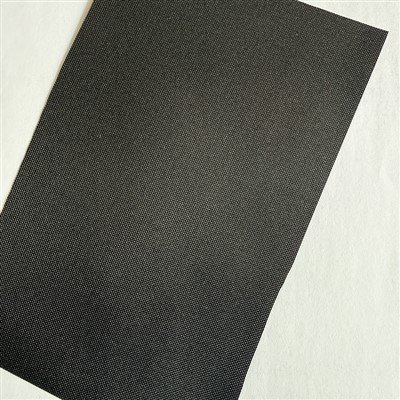
First, quick refresh for anyone who might be new: 600D Oxford is a heavy-duty woven polyester fabric, right? The “600D” stands for denier, which is basically the thickness of the threads that make it up. It’s the workhorse of the fabric world—used for everything from backpacks to boat covers, dog beds to event tents. But sunlight is one of the biggest enemies for outdoor fabrics, so let’s talk about what happens when those polyester threads hang out in UV rays all day.
UV radiation from the sun isn’t just what gives you a sunburn—it breaks down polymers, which is the base material of most outdoor fabrics. It’s called photodegradation, and think of it like this: UV rays are tiny, high-energy bullets that punch holes in the molecular structure of the fabric’s threads. Over time, those threads get weaker, colors fade, and eventually, the fabric can start to crack or tear if it’s not treated right.
Now, how does 600D Oxford stack up here? The short answer is way better than lighter fabrics, but it’s not invincible. Here’s the thing: basic, untreated 600D Oxford will start to show signs of sun damage after about 1 to 2 years of consistent, full sun exposure. That might sound like a while, but if you’re using it for something like a seasonal tarp that’s only up 6 months a year, that timeline stretches out to 4 or 5 years. The big variables here are how much direct sun it gets (10 hours a day in Arizona vs. 4 hours a day in Seattle makes a huge difference), if it’s stretched tight (which can make it more prone to damage) or laid slack, and what kind of coatings or treatments it has.
Wait, right—most 600D Oxford that’s made for outdoor use isn’t just plain polyester. A lot of suppliers, including us at the mill where I work, add UV stabilizers during the manufacturing process. That changes the game entirely. When we make outdoor-grade 600D, we mix in small amounts of chemicals like benzophenones or hindered amine light stabilizers (HALS for short, which is the tech world’s way of saying “stuff that blocks UV damage”). These work by either absorbing the UV rays before they can mess with the polymer threads, or by repairing small molecular breaks as they happen.
For our UV-treated 600D Oxford, we’ve seen it hold up for 5 to 8 years in full, year-round sun. I’ve got a test piece we left on the roof of the warehouse 7 years ago—still looks solid, colors barely faded, and when I tug on it, it’s just as tough as the day we made it. That’s the difference between off-the-shelf 600D from a big box store and the outdoor-focused stuff we produce.
Color fade is another big one people care about, and that ties right into sunlight too. Untreated 600D will start to fade within a year—bright red will turn pink, black will get that dull gray cast, blue will look washed out. UV stabilizers help lock in dye molecules too, so outdoor-grade 600D from a good supplier (cough, ours) will stay vibrant for 3 or 4 years. We’ve had customers come back saying their custom backpacks made with our colored 600D still look brand new after two years of hiking in Florida sun. That’s not luck, that’s the UV additives working.
But let’s be honest, it’s not all good news. Even with UV treatment, 600D Oxford isn’t gonna last forever out in the sun. The worst thing you can do is leave it stretched tight, like a drum, in full sun 24/7. The tension makes the weakened threads (from photodegradation) pull apart way faster than if it’s laid slack. Also, if you leave it dirty—grime, moss, pollen sitting on the fabric—those can trap moisture against the fabric, which makes UV damage worse, plus it leads to mold and mildew. Pro tip from me: if you’re using 600D for a tarp, hose it off once a season and fold it loosely when you’re not using it, don’t cram it in a tight bundle.
Wait, another thing people ask: what about when it’s in the sun and wet? Does that speed up damage? Actually, no—polyester itself is hydrophobic, so it dries fast. But if it’s been wet and you leave it crumpled in the sun, trapped moisture can cause mildew, which eats at the fabric from the inside. So make sure it’s fully dry before storing, even if it’s just for a weekend.
Now, how does this compare to other outdoor fabrics? A lot of people ask if 600D is better than, say, 1680D or canvas for sun exposure. 1680D is even thicker, but it’s still polyester, so the UV damage timeline is similar—maybe a year or two longer, but not a huge gap. Canvas, if it’s untreated, will fade way faster, like 6 months to a year, and it’s heavier and more prone to mold. So 600D Oxford is a sweet spot: tough, affordable, and with the right UV treatment, it holds up way better than most people give it credit for.
I should also mention the difference between coated and uncoated 600D. A lot of outdoor 600D gets a PVC or polyurethane coating to make it water-resistant. Those coatings add another layer of sun protection—they act as a physical barrier between the UV rays and the polyester threads. But keep in mind, the coating itself can break down over time. If you have a coated 600D tarp, the coating might start to crack and peel after 4 or 5 years, even if the underlying fabric is still solid. Uncoated is more breathable, so that’s a tradeoff—if you need water resistance, coated is worth it, just know you’ll have to replace the coating before the fabric is done.
Let’s talk real customer experiences, because that’s what matters. Last year we had a customer who makes custom motorcycle covers with our UV-treated 600D. He told me his covers last 6 years out in the California sun, which is way longer than the cheap ones he used to buy before switching to our fabric. Another guy uses our 600D for his boat’s bimini top—he’s had it 4 years, and it still doesn’t sag or fade. The ones who come back complaining? They bought untreated 600D from a cheap supplier, left their gear stretched tight, and didn’t clean it once a year. That’s not the fabric’s fault, that’s user error.
So, to wrap up the science part: photodegradation is the main issue, UV stabilizers fix most of it, coatings add extra protection, and usage habits make a big difference. Now, if you’re a business looking to source fabric for outdoor products, or a hobbyist making your own gear, what does this mean for you? If you want something that’s gonna hold up in the sun, don’t go for the cheapest 600D on the market—make sure it’s got UV additives built in. Ask your supplier about their outdoor testing timelines, because if they can’t tell you how long their fabric lasts in full sun, that’s a red flag.
We test every batch of our outdoor 600D Oxford in a accelerated UV chamber—basically a machine that mimics 10 years of sun exposure in 1,000 hours. We run it through that, check for fade, tensile strength, seam durability, and only ship it if it passes. That’s why our customers keep coming back—we don’t cut corners on the stuff that matters for outdoor use.
Now, a quick note on care to make your 600D last even longer. If it’s a bag, avoid leaving it in your car trunk all summer (that’s basically a solar oven, extra UV and heat that speeds up damage). If it’s a tarp, don’t drag it across rough ground to prevent snags, and don’t let it touch sharp objects that can puncture. And when you store it, make sure it’s clean and dry, folded loosely, not balled up tight.
At the end of the day, 600D Oxford is one of the best fabrics for outdoor use you can get at that price point. It’s not gonna outlast a metal roof, but with the right treatment and a little care, it’s gonna serve you way longer than you’d expect. I see a lot of people writing off 600D as “just a cheap fabric” for sun, but that’s not true—if it’s the right kind, it’s durable, colorfast, and reliable.

If you’re looking to source 600D Oxford fabric for your outdoor products, or you’ve got questions about what works best for your specific use case, hit us up to talk through your needs. We don’t do generic one-size-fits-all stuff—we’ll help you pick the right weight, coating, and treatment to make sure your final product holds up to whatever the sun throws at it.
600D Oxford Fabric References:
- ASTM D4329, Standard Practice for Fluorescent UV Exposure of Materials
- Textile Institute. (2021). Photodegradation and Stabilization of Polyester Textiles. Journal of Textile and Apparel, Technology and Management.
- Industrial Fabrics Association International. (2022). Outdoor Fabric Performance Guidelines. IFAI Technical Report Series.
Dongyang Huangxiu Leather & Plastic Co., Ltd.
With abundant experience, we are one of the most professional 600d oxford fabric manufacturers in China. We warmly welcome you to wholesale customized 600d oxford fabric made in China here from our factory. If you have any enquiry about quotation and free sample, please feel free to email us.
Address: Huangxiu Leather & Plastic Products, No. 79 Shunda Road, Huashui Town, Dongyang City, Zhejiang Province
E-mail: x372921764@163.com
WebSite: https://www.huangxiutextile.com/
