As a supplier of "By Emotion" products, I’ve witnessed firsthand the power and allure of these items. However, I’ve also seen how emotions can sometimes cloud the judgment of both consumers and businesses when it comes to making decisions about our offerings. In this blog post, I’ll share some strategies on how to prevent "By Emotion" from clouding judgment and make more rational, informed choices. By Emotion

Understanding the Influence of Emotions on Decision – Making
Emotions play a significant role in our daily lives and decision – making processes. When it comes to "By Emotion" products, which are often designed to evoke strong feelings, the impact of emotions can be even more pronounced. Research in the field of neuroscience has shown that emotions are processed in areas of the brain like the amygdala, which can override the rational prefrontal cortex in certain situations.
For example, a consumer might be drawn to a "By Emotion" product because it reminds them of a happy childhood memory. This emotional connection can lead them to make a purchase without fully considering factors such as price, quality, or long – term value. In a business context, a manager might be swayed by the emotional appeal of a marketing campaign for our products and invest in a large order without conducting proper market research.
Recognizing Emotional Triggers
The first step in preventing emotions from clouding judgment is to recognize the emotional triggers associated with "By Emotion" products. These triggers can be visual, such as the packaging of our products, which is often designed to be eye – catching and evoke positive feelings. They can also be auditory, like the music used in our promotional videos, or olfactory, in the case of scented products.
By being aware of these triggers, consumers and businesses can take a step back and evaluate their responses. For instance, if a consumer notices that they are particularly drawn to a product because of its beautiful packaging, they can pause and think about whether the product itself meets their actual needs. In a business setting, a purchasing manager can be on the lookout for emotional appeals in sales pitches and separate the emotional aspects from the factual information.
Gathering and Analyzing Information
One of the most effective ways to prevent emotional decision – making is to gather and analyze relevant information. For consumers, this might mean reading product reviews, comparing prices across different brands, and understanding the features and benefits of "By Emotion" products. By doing so, they can make a more informed choice based on objective criteria rather than just emotional appeal.
Businesses, on the other hand, should conduct market research, analyze sales data, and evaluate the potential return on investment before making decisions about purchasing our "By Emotion" products. For example, they can look at historical sales trends of similar products in the market, assess the target audience’s demand, and calculate the cost – benefit ratio of a large – scale order.
Setting Clear Goals and Criteria
Before considering a purchase of "By Emotion" products, both consumers and businesses should set clear goals and criteria. Consumers should ask themselves what they hope to achieve with the product. Is it for personal use, as a gift, or for a specific purpose? By having a clear goal in mind, they can better evaluate whether a product meets their requirements.
In a business context, setting procurement goals is crucial. A company might have criteria related to product quality, price, delivery time, and after – sales service. These criteria should be well – defined and communicated across the organization. When evaluating our products, the purchasing team can refer back to these goals and criteria to ensure that their decisions are based on rational considerations.
Seeking Second Opinions
Another valuable strategy is to seek second opinions. Consumers can talk to friends, family members, or online communities to get different perspectives on "By Emotion" products. They can ask for advice on whether a particular product is worth the investment or if there are better alternatives available.
Businesses can involve multiple stakeholders in the decision – making process. For example, the marketing team, sales team, and finance department can all contribute their insights when considering a purchase of our products. By getting input from different departments, a company can reduce the influence of individual emotions and make a more well – rounded decision.
Taking Time to Reflect
In today’s fast – paced world, decisions are often made quickly. However, when it comes to "By Emotion" products, it’s important to take time to reflect. Consumers can sleep on a purchasing decision instead of making an impulse buy. This gives them time to let their initial emotional excitement subside and approach the decision with a clearer head.
Businesses can also implement a waiting period before finalizing a large – scale purchase. This allows the team to review all the information, consider different scenarios, and ensure that the decision is in the best interest of the company.
The Role of Our Company as a Supplier
As a "By Emotion" supplier, we have a responsibility to support our customers in making rational decisions. We can provide clear and accurate product information, including details about features, ingredients, and performance. Our marketing materials should be honest and not overly exaggerated, so that customers can make informed choices.
We also encourage our customers to ask questions and seek clarification. Our sales team is trained to provide objective advice and help customers evaluate whether our products are suitable for their needs. By building a relationship based on trust and transparency, we hope to empower our customers to make decisions that are not solely based on emotions.
Conclusion
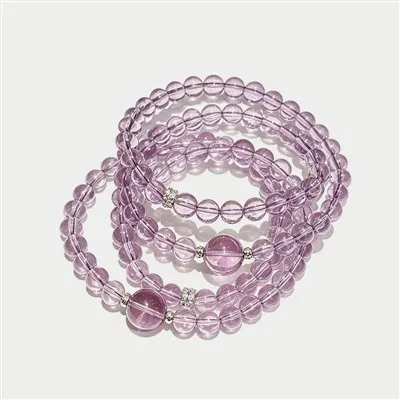
Preventing "By Emotion" from clouding judgment is essential for both consumers and businesses. By understanding the influence of emotions, recognizing emotional triggers, gathering information, setting clear goals, seeking second opinions, and taking time to reflect, we can make more rational decisions when it comes to our "By Emotion" products.
Crystal Decor If you are interested in learning more about our "By Emotion" product range or would like to discuss a potential procurement, we welcome you to reach out. Our team is ready to assist you in making the best decision for your needs.
References
- Damasio, A. R. (1994). Descartes’ Error: Emotion, Reason, and the Human Brain. Grosset/Putnam.
- Kahneman, D. (2011). Thinking, Fast and Slow. Farrar, Straus and Giroux.
- Loewenstein, G. F., Weber, E. U., Hsee, C. K., & Welch, N. (2001). Risk as feelings. Psychological Bulletin, 127(2), 267 – 286.
Address: No.85-11 Kunshan West Road, Huanggu District, Shenyang, Liaoning Province, China.
E-mail: jane@ziyuaqua.com
WebSite: https://www.ziyuaqua.com/
