As a seasoned supplier of Fisher Butterfly Valves, I’ve witnessed firsthand the transformative impact that valve upgrades can have on industrial operations. Fisher Butterfly Valves are renowned for their reliability, efficiency, and versatility, but like any mechanical equipment, they can benefit from periodic upgrades to enhance performance and extend service life. In this blog post, I’ll share some insights and practical tips on how to upgrade a Fisher Butterfly Valve to optimize its functionality and meet the evolving needs of your application. Fisher Butterfly Valve

Understanding the Basics of Fisher Butterfly Valves
Before delving into the upgrade process, it’s essential to have a solid understanding of the basic components and operation of Fisher Butterfly Valves. These valves are quarter-turn valves that use a disc-shaped closure element to regulate the flow of fluids or gases through a pipeline. The disc is mounted on a shaft and rotates 90 degrees between the open and closed positions, providing a simple and effective means of flow control.
Fisher Butterfly Valves are available in a variety of configurations, including concentric, double-offset, and triple-offset designs, each offering unique advantages depending on the specific application requirements. Concentric butterfly valves are the most common type and are suitable for general-purpose applications where low to moderate pressure and temperature conditions prevail. Double-offset and triple-offset butterfly valves, on the other hand, are designed for more demanding applications that require high-performance sealing and reduced friction.
Assessing the Need for an Upgrade
The first step in upgrading a Fisher Butterfly Valve is to assess the need for an upgrade. There are several factors to consider when evaluating whether an upgrade is necessary, including:
- Performance Requirements: If your application requires higher flow rates, better control accuracy, or improved sealing performance, an upgrade may be necessary to meet these requirements.
- Operating Conditions: Changes in operating conditions, such as increased pressure, temperature, or flow velocity, can put additional stress on the valve and may require an upgrade to ensure reliable operation.
- Maintenance History: If the valve has a history of frequent breakdowns or requires excessive maintenance, an upgrade may be a cost-effective solution to reduce downtime and maintenance costs.
- Compliance Requirements: Regulatory requirements or industry standards may mandate the use of certain valve features or materials, which may necessitate an upgrade to ensure compliance.
Identifying the Right Upgrade Options
Once you’ve determined the need for an upgrade, the next step is to identify the right upgrade options for your specific application. There are several upgrade options available for Fisher Butterfly Valves, including:
- Sealing Upgrades: Upgrading the valve’s sealing components, such as the seat and gasket, can improve the valve’s sealing performance and reduce leakage. Options include soft seats for improved sealing and metal seats for high-temperature and high-pressure applications.
- Disc and Shaft Upgrades: Upgrading the valve’s disc and shaft can enhance the valve’s durability and performance. Options include using high-strength materials, such as stainless steel or alloy steel, and adding features like anti-blowout shafts and self-lubricating bearings.
- Actuator Upgrades: Upgrading the valve’s actuator can improve the valve’s control accuracy and response time. Options include using electric, pneumatic, or hydraulic actuators, as well as adding features like positioners, limit switches, and solenoid valves.
- Coating Upgrades: Coating the valve’s internal and external surfaces can protect the valve from corrosion and erosion, extending its service life. Options include using epoxy coatings, ceramic coatings, and rubber linings.
Working with a Professional Supplier
Upgrading a Fisher Butterfly Valve is a complex process that requires specialized knowledge and expertise. To ensure a successful upgrade, it’s important to work with a professional supplier who has experience in upgrading Fisher Butterfly Valves and can provide you with the right upgrade options for your specific application.
When choosing a supplier, look for a company that:
- Has a Proven Track Record: A supplier with a proven track record of upgrading Fisher Butterfly Valves is more likely to provide you with high-quality products and services.
- Offers a Wide Range of Upgrade Options: A supplier that offers a wide range of upgrade options can help you find the right solution for your specific application.
- Provides Technical Support: A supplier that provides technical support can help you with the installation, commissioning, and maintenance of your upgraded valve.
- Has a Good Reputation: A supplier with a good reputation in the industry is more likely to provide you with reliable products and services.
The Upgrade Process
Once you’ve chosen a professional supplier and identified the right upgrade options for your specific application, the next step is to start the upgrade process. The upgrade process typically involves the following steps:
- Inspection and Assessment: The supplier will inspect the valve to determine its current condition and identify any issues that need to be addressed. They will also assess the valve’s performance requirements and recommend the appropriate upgrade options.
- Planning and Design: The supplier will develop a detailed upgrade plan and design that outlines the scope of work, the materials and components to be used, and the timeline for completion.
- Procurement and Fabrication: The supplier will procure the necessary materials and components and fabricate the upgraded valve in accordance with the design specifications.
- Installation and Commissioning: The supplier will install the upgraded valve and commission it to ensure that it is operating properly. They will also provide you with training on how to operate and maintain the upgraded valve.
- Testing and Validation: The supplier will conduct testing and validation to ensure that the upgraded valve meets the performance requirements and specifications. They will also provide you with a test report and certification.
Benefits of Upgrading a Fisher Butterfly Valve
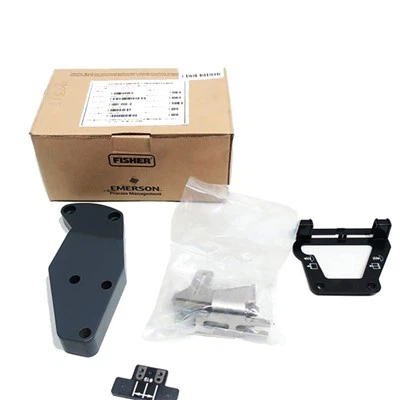
Upgrading a Fisher Butterfly Valve can provide several benefits, including:
- Improved Performance: Upgrading the valve’s sealing, disc and shaft, actuator, and coating components can improve the valve’s performance and efficiency, resulting in better flow control and reduced leakage.
- Increased Reliability: Upgrading the valve’s components can enhance its durability and reliability, reducing the risk of breakdowns and downtime.
- Extended Service Life: Coating the valve’s internal and external surfaces can protect it from corrosion and erosion, extending its service life and reducing the need for frequent replacements.
- Compliance with Regulations: Upgrading the valve to meet regulatory requirements or industry standards can ensure compliance and avoid costly fines and penalties.
Conclusion
AUMA Electric Actuator Upgrading a Fisher Butterfly Valve is a cost-effective way to improve its performance, reliability, and service life. By working with a professional supplier and choosing the right upgrade options for your specific application, you can optimize the functionality of your valve and meet the evolving needs of your operation. If you’re interested in upgrading your Fisher Butterfly Valve, I encourage you to contact us to discuss your options and learn more about how we can help you.
References
- Fisher Controls International LLC. Fisher Butterfly Valves: Product Catalog.
- ASME B16.34 – Valves – Flanged, Threaded, and Welded End.
- API 609 – Butterfly Valves, Double Flanged, Lug – Type, and Wafer – Type.
Century Weiye (Dalian) Control Equipment Co., Ltd.
Address: 2205, Building 8, Red Star International, Ganjingzi District, Dalian City, Liaoning Province
E-mail: serena@valvesjwy.com
WebSite: https://www.valve-sjwy.com/
