If you’ve ever stared at a plain denim jacket in your closet, wondering how to add a personal touch without ruining its iconic, rugged vibe, chances are you’ve landed on a woven patch. As someone who’s been supplying custom and standard woven patches for over seven years now, I get this question all the time: Can I actually use a woven patch on a denim jacket? Woven Patch
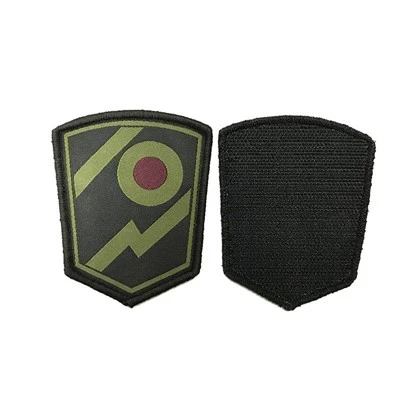
The short answer is yes—absolutely. But there’s a lot more to it than just slapping a patch on and calling it done. Denim’s unique weave, texture, and history make it the perfect canvas for woven patches, but also a surface that requires a little extra care to make sure your patch stays on, looks great, and doesn’t damage your jacket. Let’s break this down like I would for a regular customer who walks into my workshop, covered in denim scraps and a pile of test patches.
First, let’s talk about why woven patches work so well on denim. Woven patches are made by interlacing thread on a loom, right? That creates a flat, detailed design with sharp edges and a smooth finish—unlike embroidered patches, which have a slightly raised texture and can sometimes look bulky or fuzzy on rough denim. Denim, by nature, is a sturdy, tight-woven twill fabric. Its texture is rough enough to grip the backing of almost any patch, but smooth enough that a woven patch’s flat profile won’t pucker or stick out awkwardly. I’ve had customers come to me after trying to put an embroidered patch on denim and complaining that the thread was catching on the fabric’s fibers, leading to fraying on both the patch and the jacket. Woven patches don’t have that issue because their edges are bound tightly by the loom, so they lay flush against the denim.
Another big plus: woven patches are way more durable than other types of patches when it comes to everyday wear. I once supplied a batch of custom woven patches for a local motorcycle club, and their members wore them on denim cuts through rain, grease, and months of weekly rides. After six months, their patches looked just as good as the day I delivered them, no fading, no peeling, no loose threads. That’s because the weave of the patch is integral to the material—unlike iron-on patches, which have a heat-activated adhesive that can break down over time, especially when exposed to heat, moisture, or friction. Woven patches are sewn on, so they become part of the jacket, not just a layer stuck to it.
Wait, but hold on—iron-on woven patches are a thing, right? I get a lot of requests for those, and I always warn customers against using them on denim. Denim is thick, and most home irons don’t get hot enough or apply even enough pressure to melt the adhesive on a woven patch properly. I once had a teenager bring me a denim jacket he’d ruined by ironing a woven patch on; the adhesive seeped through the denim and left a stiff, yellow stain on the inside of the jacket. Not to mention, the patch fell off two weeks later because the adhesive never set right. If you do want to use an iron-on woven patch on denim, you need a professional heat press set to at least 350 degrees, a protective cloth between the iron and the patch, and enough pressure to press for 20-30 seconds. Even then, I still recommend sewing it on—it’s just more reliable for a fabric as tough as denim.
Now, let’s get into the practical part: how to actually attach a woven patch to a denim jacket. This is where my workshop experience really comes in, because I’ve tested every method over the years. First, choose the right spot. Denim jackets have key areas that work best for patches: the left chest, the back (usually centered above the pocket or between the shoulder blades), or even the sleeve cuffs. Avoid areas that stretch a lot, like the side seams or the bottom hem, because the constant movement will pull at the patch and make it come loose. Also, make sure the area is clean—wipe it with a damp cloth to remove any dirt or oil, and let it dry completely before attaching the patch. If there’s a loose thread or a frayed spot on the denim, trim it with small scissors first so it doesn’t catch the patch’s thread later.
Next, pick your sewing method. For most people, a simple running stitch is more than enough. Use heavy-duty thread—denim is thick, so regular sewing thread will snap. I recommend polyester thread; it’s strong, fade-resistant, and doesn’t stretch, which is perfect for holding a patch to denim. Start by securing the patch in place with a few straight pins, making sure it’s aligned the way you want it. Then, sew around the entire edge of the patch, making small, tight stitches. Don’t pull the thread too tight, though—this can pucker the denim or make the patch warp. If you want extra durability, you can do a backstitch at the corners or add a few stitches in the center of the patch, but that’s totally optional. I’ve found that for everyday wear, a single row of running stitches around the edge works just fine, even for denim jackets that get worn often.
Wait, what about the type of woven patch? Not all woven patches are created equal when it comes to denim. I always recommend a patch with a merrowed edge, which is the bound, finished edge that comes from the loom. Woven patches without a merrowed edge have raw edges that can fray when sewn onto denim, and those loose threads will catch on the jacket and create fuzz over time. Merrowed edges are tight and secure, so they don’t fray, which means your patch will look good for years. Also, choose a patch size that fits the denim jacket. If you have a small, cropped denim jacket, a big back patch that takes up the entire shoulder blades will look overwhelming. For a classic trucker denim jacket, a 3-4 inch patch on the chest is perfect, and a 8-10 inch patch on the back is a good middle ground.
I’ve also had customers ask if you can put multiple woven patches on a denim jacket. Absolutely—this is one of denim’s biggest strengths. Denim is such a versatile fabric that it can handle multiple patches, as long as you space them out evenly and don’t overcrowd the jacket. A lot of people create stories with their patches: a favorite band on the chest, a city they visited on the sleeve, a family crest on the back. I once worked with a customer who had 12 different woven patches on her denim jacket, each representing a milestone in her life, and she’d sew new ones every year. The key is to balance the design—don’t put all your patches on one side, and make sure they don’t overlap too much. Overlapping patches can make the sewing area bulky and cause the denim to pucker, especially on thinner jacket styles.
Another common question: can I wash my denim jacket with a woven patch attached? The short answer is yes, but you have to take care of it. Woven patches are fade-resistant, but denim fades too, and the constant agitation of a washing machine can cause the patch’s thread to loosen over time. I always recommend turning your jacket inside out before washing, using cold water, and hanging it to dry instead of putting it in the dryer. The high heat of a dryer can melt any remaining adhesive if you used an iron-on patch, but even sewn patches can lose their shape or fade a little if tumbled on high heat. If you do need to use a dryer, put it on a low heat cycle, but air drying is always better. And never dry clean your denim jacket—dry cleaning chemicals can break down the thread on both the patch and the denim fabric.
Now, let’s talk about some common mistakes I see customers make when using woven patches on denim. First, choosing a patch that’s too thin or flimsy. Woven patches should have a little structure to them, so they lay flat on denim. If you get a cheap, thin woven patch, it will curl at the edges when sewn, and that’s hard to fix. I always suggest going for a mid-weight woven patch; it’s sturdy enough to hold its shape, but not so thick that it sticks out awkwardly from the denim. Second, not securing the patch properly. I can’t tell you how many times I’ve gotten a jacket back from a customer whose patch fell off because they only sewed a few loose stitches. Take the time to sew around every edge, and reinforce the corners if you can—those are the areas that pull the most when you put the jacket on and off. Third, using a sewing machine that’s set to a stitch length that’s too long. A long stitch will leave big gaps between the thread, which means the patch isn’t securely attached. Set your machine to a short, tight stitch length (about 2-3 mm) for sewing patches, or if you’re sewing by hand, keep your stitches close together.
As a woven patch supplier, I also love talking about custom designs for denim jackets. Denim is such a personal fabric, and woven patches let you make it uniquely yours. Whether you want a vintage-inspired logo for your band, a custom family name patch, a quote that means something to you, or a design that matches your jacket’s style, woven patches can do it. Unlike printed patches, woven patches have that timeless, textured look that pairs perfectly with denim’s ruggedness. I’ve seen customers pair faded, well-worn denim with bold, bright woven patches, and it creates a really cool contrast that looks intentional, not messy.
Wait, what about if you want to remove a patch later? Is that possible? Denim is a durable fabric, but if you sew a patch on too tightly, cutting the stitches can leave small holes. But those holes are tiny, and a good pair of scissors will make quick work of the sewing thread. If you’re worried about damaging your denim, you can use a seam ripper to carefully cut the stitches without nicking the denim fabric. Once the patch is removed, you can either leave the small hole as a vintage detail or reinforce it with a small stitch if it bothers you. A lot of my customers change out their patches every few years, and that’s totally doable—just be gentle when removing the old stitches.
Let me wrap this up like I would for a customer who’s ready to order a patch for their denim jacket. Yes, you absolutely can use a woven patch on a denim jacket—it’s one of the best pairings you can get for a personal, durable design. The key is to choose a high-quality woven patch with a merrowed edge, sew it on properly with heavy-duty thread, pick the right spot, and take care of your jacket when washing. Avoid iron-on methods unless you have a professional heat press, and don’t overcrowd your jacket with too many patches at once.
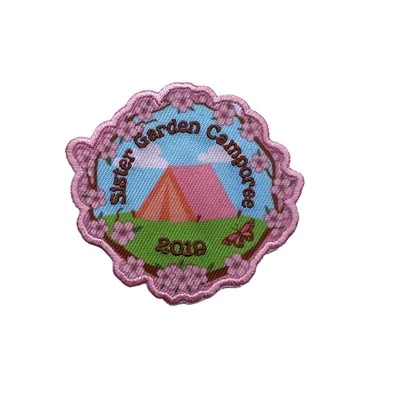
If you’re ready to get started, whether you need a custom design made just for your denim jacket or standard woven patches to fit your style, reach out to us to discuss your needs. We work with everything from single custom patches for personal use to bulk orders for bands, brands, and motorcycle groups, and we’ll make sure your patch is durable, detailed, and perfect for your denim jacket.
Sew On Printing Patch References:
- Textile Wearables: Durability of Woven vs. Embroidered Labels and Patches, Journal of Textile and Apparel, Technology and Management, 2019.
- Denim Fabric Characteristics and Care, Cotton Council International, 2021.
- Attachment Methods for Fabric Patches: Performance and Longevity, International Journal of Fashion Design, Technology and Education, 2020.
- Guide to Personalizing Denim Apparel, The Fashion Academy Press, 2022.
Yiwu Lanying Garment Accessories Co., Ltd.
As one of the most professional woven patch manufacturers and suppliers in China, we’re featured by quality products and good service. Please rest assured to wholesale premium woven patch at competitive price from our factory. Customized orders are welcome.
Address: F1,NO.448, Majiaotang Village, Houzhai Street, Yiwu City, Zhejiang Province, China 322000
E-mail: zhangchunyingzi@126.com
WebSite: https://www.embroideredpatchfactory.com/
