If you’ve ever spent hours curating a shelf of your favorite collectibles—think vintage Funko Pops, rare vinyl records, vintage comic book slabs, or limited-edition action figures—you’ve probably stared at a random clear plastic box or two and wondered: “Wait, is acrylic actually good for displaying this stuff?” As someone who’s been selling custom acrylic display cases for the better part of a decade, I get that question all the time. It’s not a random question, either; collectible nerds (guilty) are weirdly obsessive about protecting their stuff from fading, dust, scuffs, and even accidental knocks from curious friends. But let’s cut the salesy jargon: no, acrylic boxes aren’t just a pretty face for your shelf. They’re a functional upgrade that works way better than glass or flimsy plastic bins for most collectibles—if you pick the right one. Let’s break this down like we’re geeking out over our favorite new figure, no stuffy science lectures required. Acrylic Box
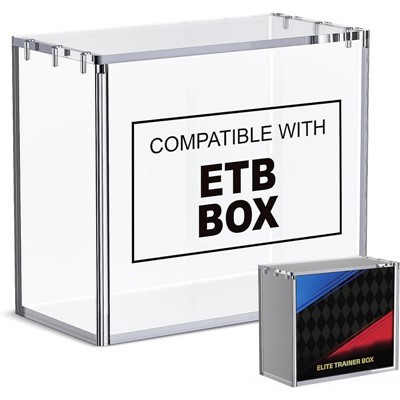
First, let’s get the basics out of the way: what even is acrylic, anyway? It’s just shatter-resistant plastic—scientifically called polymethyl methacrylate, or PMMA for short—way sturdier than the cheap storage bins you grab from the dollar store. A lot of people mix it up with regular glass, but here’s the big difference: glass is heavy, easily breaks if you drop it (bad news for a shelf full of $500 comic books), and it scratches way too easily if you so much as drag a vinyl’s edge against it. Acrylic? It’s half the weight of glass, shatters into big, safe chunks instead of sharp shards, and is way more scratch-resistant when it’s the thicker, UV-stabilized kind. For display purposes, that’s a game-changer. But the most important part of displaying collectibles? Fading. Yeah, that thing where your brand-new Super 7 Skeletor figure looks totally different after 6 months sitting on a sunny windowsill. That’s UV damage, and it’s the number one silent killer of collectibles. So can acrylic boxes block that?
Short answer: only if they’re UV-stabilized. Regular acrylic will actually let most UV rays pass through, just like glass, which means your prized 90s Pokémon card still yellowing faster than a cereal box left in the sun. But UV-blocking acrylic—what we call “museum-grade” for a reason—can block up to 99% of UVA and UVB rays, which are the ones that cause fading. I’ve seen this first-hand: a customer came to me last year with a set of Star Wars Black Series figures he’d had on his glass shelf for 2 years; the Stormtrooper’s white armor was yellowed to a dull cream, and Darth Vader’s cape had faded from black to a flat gray. He put both in our UV-stabilized acrylic boxes, and 18 months later, they looked exactly the same as the day he bought them. That’s not a gimmick—it’s actual science, no fluff. Now, does every acrylic box have that? Nope. A lot of cheap “clear plastic display cases” on Amazon are just regular acrylic with no UV treatment, so always ask the supplier upfront. That’s a tip I wish someone told me when I first started out buying bad boxes for my own collectibles.
Next up: dust and protection. Let’s be real, even if you have the nicest shelf, dust is the worst. It settles on every crevice of a Funko Pop’s paint job, gets into the grooves of a rare vinyl, and can even cause mold if you live in a humid place (looking at you, Southeast US, and anyone who keeps their collectibles in a basement storage shelf). Acrylic boxes are airtight if you get the kind with tight-fitting lids—no dust seeping in, no mold growth. But wait, what about insulation for temperature? If you’re storing more delicate stuff, like vintage comic books or vinyl records, temperature and humidity matter too. Acrylic is a great insulator, way better than glass, so it keeps the inside of the box a consistent temp. That means no big swings from heating or AC that can warp a vinyl’s record sleeve or make a comic book’s pages turn brittle. I had another customer who kept his first edition Spider-Man comic in a wooden display case with a glass front; after a year, the pages were starting to brown at the edges. He switched to our acrylic box with a humidity control pack (we sell those as an add-on, by the way) and the browning stopped completely. That’s a small detail that makes a huge difference for long-term storage.
But here’s where people get confused: not all acrylic boxes are created equal for different collectibles. You can’t use a tiny 4×4 inch acrylic box for a 12-inch action figure, right? Let’s break it down by type of collectible, because that’s what really matters.
If you’re displaying Funko Pops, the standard size is perfect for our stackable acrylic boxes. We make them in 4-inch, 6-inch, and even oversized sizes for the jumbo Pops, and they all fit exactly snuggly so the figure doesn’t move around. The cool thing about acrylic for Funko Pops is that you can stack them—no more wobbly wooden shelves where a Pop can fall and crack its head. We’ve had customers stack 10 of these on a single shelf, no issues. Just make sure you get ones with pre-cut slots if you want to add Pop protective inserts (we sell those too, but most people don’t need them with a good acrylic box).
For comic books and comic slabs? This is where UV stabilization is non-negotiable. A lot of people store their graded slabs in regular plastic sleeves, but those sleeves can scratch the slab’s surface over time. An acrylic box with a soft foam insert (we line them with acid-free foam, so no chemical damage) will protect the slab without scratching it. And if you’re displaying ungraded comics, acid-free acrylic will prevent the paper from breaking down. I’d recommend going with a hinged lid instead of a snap-on one, just because it’s easier to open and close without damaging the comic.
Vinyl records, especially the limited-edition picture disc ones? Acrylic boxes are way better than the cardboard sleeves they come in, which get scuffed and faded super fast. Picture discs are like art, right? You don’t want them sitting in a dusty bin. A 12-inch acrylic box with a slight angle (so you can see the entire front cover, not just the top) is perfect. The clear acrylic doesn’t distort the artwork, unlike some plastic that can have a yellow tint, and it blocks UV so the colors stay bright. I know a guy who has a shelf of 50 vintage Nirvana picture discs, and he swears the acrylic boxes kept them from fading when his friend’s non-acrylic display cases had their Redux cover faded to pink.
What about the stuff acrylic boxes aren’t great for? Let’s be honest, no product is perfect. If you’re storing something really bulky, like a vintage motorcycle helmet or a life-sized action figure, acrylic might not be the most cost-effective option (those would need a custom case, which we do, but it’s way pricier). Also, if you’re the type who likes to take your collectibles out to display at conventions or shows, a heavy acrylic box might not be as portable as a soft storage bag, but for home display? Acrylic is unbeatable. And one more thing: cleaning acrylic. A lot of people use Windex or paper towels on it, which will scratch the surface. You need to use a microfiber cloth and a mild soap, no harsh chemicals. I always keep a pack of microfiber cloths with my display case orders, so customers don’t mess up their nice boxes.
Wait, let’s talk price for a second, because I know that’s a big concern. A lot of people think acrylic boxes are super expensive, but compared to glass display cases, they’re actually pretty reasonable. A single 4-inch UV-stabilized acrylic box costs about the same as a good glass display, but it’s way more durable and protects your collectibles better. And if you buy in bulk, like for a collection of 20 Pops, you can get a discount, which makes it even more worth it. I’ve had customers tell me they saved hundreds of dollars by switching from glass shelves to acrylic boxes, because they didn’t have to replace collectibles that got damaged from glass breaks or fading.
Another thing I love about acrylic boxes: they’re customizable. A lot of suppliers just sell generic sizes, but we make custom ones for whatever collectible you have. If you have a rare 10-inch Teenage Mutant Ninja Turtles figure that’s not a standard size, we can cut the acrylic to fit exactly, so it doesn’t move around inside. You can also add engraved text—like the year your collectible came out, or a little design—to make it more personal. A customer last year added a tiny engraved X-Wing to his custom acrylic box for a vintage Luke Skywalker figure, and it looked way cooler than a generic case.
Now, let’s wrap this up with the real question: should you actually use an acrylic box for your collectibles? If you want them to stay looking new for years, yes. If you’re tired of dust on your figures, fading comic books, or worrying about a glass shelf breaking, 100% yes. The only time I’d say no is if you’re using a super cheap, non-UV-stabilized acrylic box that you get from a dollar store—those are just as bad as regular plastic, because they’ll let UV in and scratch easily. Always go for a reputable supplier that uses thick, UV-stabilized, acid-free acrylic.

If you’re ready to protect your collection and make it look awesome on your shelf, we’ve got a wide range of sizes, from small Pop boxes to custom cases for your rarest collectibles. Reach out to us to chat about your needs—we’ll help you pick the right size, add any custom touches, and make sure your collectibles stay in perfect shape for years to come. No matter what you’re collecting, acrylic boxes are one of the best investments you can make for your stuff.
Pokemon Acrylic Case References
- National Park Service. (2021). Museum Display Guidelines for Cultural Artifacts and Collectibles.
- Acrylic & Plastics Association. (2020). PMMA Properties for Display Applications.
- Comic Book Legal Defense Fund. (2019). Storage and Display Recommendations for Graded Comics.
- Vinyl Records Preservation Association. (2022). Environmental Protection for Physical Media Collections.
Wenzhou Daoqin Crafts Co., Ltd.
With abundant experience, we are one of the most professional acrylic box manufacturers and suppliers in China. Please rest assured to wholesale bulk customized acrylic box from our factory. If you have any enquiry about quotation and free sample, please feel free to email us.
Address: Room 401, Building 5, Wanyang Innovation City, No. 9 Yangyu Road, Binhai New Area, Pingyang County, Wenzhou City, Zhejiang Province, China
E-mail: wzdaoqin@163.com
WebSite: https://www.wzacrylic.com/
