As a supplier of barrel polishing machines, I’ve often been asked whether our machines can be used for polishing optical lenses. This is a question that delves into the intersection of two distinct yet related fields: industrial polishing technology and the highly specialized world of optical manufacturing. In this blog post, I’ll explore the feasibility of using a barrel polishing machine for optical lens polishing, weighing the pros and cons, and providing insights into the practical applications of our equipment. Barrel Polishing Machine
Understanding Barrel Polishing Machines
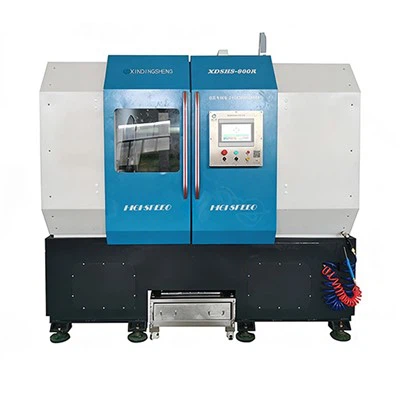
Before we discuss the suitability of barrel polishing machines for optical lens polishing, let’s first understand what these machines are and how they work. A barrel polishing machine, also known as a tumbler polisher, is a type of finishing equipment used to polish, deburr, and clean various types of workpieces. It consists of a rotating barrel that contains the workpieces, along with polishing media and a liquid compound. As the barrel rotates, the workpieces rub against the media, which gradually removes surface imperfections and enhances the finish.
Barrel polishing machines are widely used in industries such as metalworking, jewelry making, and automotive manufacturing. They are known for their ability to process large quantities of workpieces simultaneously, making them a cost-effective solution for mass production. However, they are typically used for general finishing applications and may not be suitable for highly precise tasks such as optical lens polishing.
The Requirements of Optical Lens Polishing
Optical lenses are precision components that require a high level of accuracy and surface quality. The polishing process is crucial for achieving the desired optical properties, such as clarity, refractive index, and surface flatness. To meet these requirements, optical lens polishing typically involves a multi-step process that includes grinding, lapping, and polishing.
The grinding step is used to shape the lens and remove any large surface imperfections. This is followed by lapping, which uses a fine abrasive to further refine the surface and improve the flatness. Finally, the polishing step uses a very fine abrasive to achieve a mirror-like finish and enhance the optical clarity.
During the polishing process, it is essential to maintain a consistent pressure and speed to ensure uniform surface quality. Any variation in pressure or speed can result in uneven polishing, which can affect the optical performance of the lens. Additionally, the polishing media used must be carefully selected to avoid scratching or damaging the delicate surface of the lens.
Can a Barrel Polishing Machine be Used for Optical Lens Polishing?
The answer to this question is both yes and no. While a barrel polishing machine can be used to polish optical lenses to some extent, it may not be the most suitable solution for all types of lenses and applications. Here are some factors to consider:
Advantages of Using a Barrel Polishing Machine for Optical Lens Polishing
- Cost-Effective: Barrel polishing machines are generally more affordable than specialized optical polishing equipment. They can also process multiple lenses simultaneously, which can significantly reduce the production cost.
- Versatility: Barrel polishing machines can be used for polishing a wide range of materials, including glass, plastic, and metal. This makes them a versatile option for manufacturers who need to polish different types of optical lenses.
- Simple Operation: Barrel polishing machines are relatively easy to operate and require minimal training. This makes them a suitable option for small to medium-sized manufacturers who may not have the resources to invest in complex polishing equipment.
Disadvantages of Using a Barrel Polishing Machine for Optical Lens Polishing
- Lack of Precision: Barrel polishing machines are not designed for highly precise tasks such as optical lens polishing. The rotating motion of the barrel can cause the lenses to move around, which can result in uneven polishing and surface defects.
- Inability to Control Pressure and Speed: As mentioned earlier, maintaining a consistent pressure and speed is crucial for achieving uniform surface quality during optical lens polishing. However, barrel polishing machines do not offer precise control over these parameters, which can make it difficult to achieve the desired optical properties.
- Limited Surface Finish: Barrel polishing machines typically use abrasive media that may not be suitable for achieving the high level of surface finish required for optical lenses. The abrasives can leave micro-scratches on the surface of the lens, which can affect the optical clarity.
Practical Applications of Barrel Polishing Machines in Optical Lens Manufacturing
While barrel polishing machines may not be the ideal solution for polishing high-precision optical lenses, they can still be used in some applications. Here are some examples:
Pre-Polishing:
Barrel polishing machines can be used as a pre-polishing step to remove large surface imperfections and prepare the lens for the final polishing process. This can help to reduce the processing time and cost of the final polishing step.
Polishing of Low-Precision Lenses:
For low-precision optical lenses, such as those used in consumer electronics or toys, barrel polishing machines can be used to achieve a satisfactory surface finish. These lenses do not require the same level of precision as high-end optical lenses, and the cost-effective nature of barrel polishing machines makes them a suitable option.
Cleaning and Deburring:
Barrel polishing machines can also be used for cleaning and deburring optical lenses. The rotating motion of the barrel can help to remove any debris or burrs from the surface of the lens, improving its overall quality.
Conclusion

In conclusion, while a barrel polishing machine can be used for polishing optical lenses to some extent, it may not be the most suitable solution for all types of lenses and applications. The lack of precision, inability to control pressure and speed, and limited surface finish make it less ideal for high-precision optical lens polishing. However, it can still be a cost-effective option for pre-polishing, polishing low-precision lenses, and cleaning and deburring.
Barrel Polishing Machine If you’re considering using a barrel polishing machine for optical lens polishing, it’s important to carefully evaluate your requirements and determine whether it’s the right solution for your application. Our team of experts is always available to provide you with more information and guidance on the use of our barrel polishing machines. If you have any questions or would like to discuss your specific needs, please don’t hesitate to contact us. We’re committed to helping you find the best polishing solution for your optical lens manufacturing needs.
References
- Smith, J. (2018). Precision Optical Manufacturing. Springer.
- Jones, A. (2019). Polishing Techniques for Optical Components. Wiley.
- Brown, C. (2020). Industrial Surface Finishing: Principles and Applications. Elsevier.
Dongguan Xindingsheng Intelligent Grinding Technology Co., Ltd.
Dongguan Xindingsheng Intelligent Grinding Technology Co., Ltd. is one of the most reliable barrel polishing machine manufacturers and suppliers in China, also supports customized service. Please feel free to wholesale bulk high quality barrel polishing machine in stock here from our factory. Contact us for pricelist.
Address: Room 101, Building 1, No. 73 Dahuangmei Road, Dalingshan Town, Dongguan City, Guangdong Province, China
E-mail: cndskj@126.com
WebSite: https://www.xdsfinishing.com/
